
Until recently, most AI assistants in business software answered questions. A person still went into the system to make the change.
That is shifting. Two launches on November 3 let AI assistants make the change itself: prices, stock, orders and refunds. A third, from an ERP vendor, shows what a sensible safety net looks like.
So the question is no longer whether AI can update your system. It is what stands between a typed sentence and a live change.
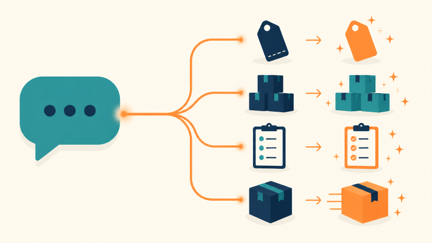
From answering questions to making changes
Ecommerce platform Zoey added a built-in MCP server to every store. Once an admin connects Claude or another MCP assistant, it can:
- Look up orders, build and submit quotes, and convert quotes to orders.
- Create shipments, invoices and credit memos, which means refunds.
- Change product prices and update stock, one product at a time or in bulk.
One of Zoey’s own examples sets stock to zero for 12 discontinued SKUs in one sentence.
Klook, the Singapore and Hong Kong based travel experiences platform, is rolling out K.ai to its merchants. A merchant can ask about last week’s bookings, then tell K.ai to raise the weekend price by 10%, and the change is applied in the portal.
Klook says single inventory and pricing updates are 95% faster. It also reports that merchants using K.ai recorded 3.4 times as many monthly bookings as those who did not. That is a comparison, not proof of cause. Busier merchants may simply try new tools first.
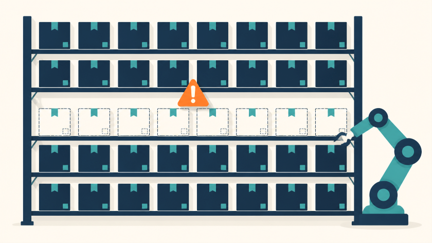
A wrong answer is annoying. A wrong change reaches customers.
When an assistant answers a question wrong, someone usually notices. When it changes the wrong price or zeroes the wrong stock, customers see it first. Bulk requests save the most time and spread mistakes the furthest.
Zoey built in some useful controls:
- The assistant acts as the admin who approved it, limited by that admin’s API role.
- Changes and deletions are marked as such, so the assistant asks before running them.
- Connected apps can be disconnected at once.
Zoey is also clear about a limit: the assistant reads data in pages, so analyses across thousands of records are not reliable. It points users to built-in reports for totals and trends.
Chat works for a specific change you already understand. It is a weak place to check the whole picture, and a confirmation prompt only helps if someone reads it.

Put the rules in the system, not in the chat
Syspro’s latest ERP release, covered by ERP Today on November 3, takes a different angle. Sales orders can now start as drafts, and a rules engine in Syspro Torque, its industrial AI platform, checks them for errors and warnings before they go live.
- Orders with unresolved errors are blocked.
- Orders with warnings need a recorded approval.
- A review screen lets the order team fix flagged orders before they reach the warehouse.
Syspro expects fewer pricing disputes and late credit holds. The rules engine is still in controlled availability.
This feature is not about chat assistants, but the pattern fits them. If your price floors, credit limits and stock rules live in the system, they apply to an AI request the same way they apply to a rushed employee. If they live only in someone’s head, nothing checks the assistant.
Practical takeaways
Before an AI assistant changes your live data:
- Start read-only. Let it answer questions for a few weeks before it makes changes.
- Connect it through an admin account with the narrowest role that does the job.
- Write down the rules that should never break, like minimum margins, credit limits and no negative stock. Make sure your system enforces them for everyone.
- Treat bulk changes differently: preview the list and get a second look first.
- Know where the change history is and how to disconnect the assistant quickly.
AI that does the work is useful, especially for small teams without back-office staff. But speed only helps when the change is right, and the checks belong in your system, not the conversation.
Which change in your business would you not want made from a chat window yet?
Sources
- Zoey: Introducing the Zoey MCP Server: Connect Claude to Your Store (Nov 3, 2026)
- Klook via PR Newswire (The Manila Times): Klook launches K.ai, an AI agent that manages merchants’ back-office operations (Nov 3, 2026)
ERP Today: Syspro Adds Unified Product Traceability for Audits and Recalls (Nov 3, 2026)