
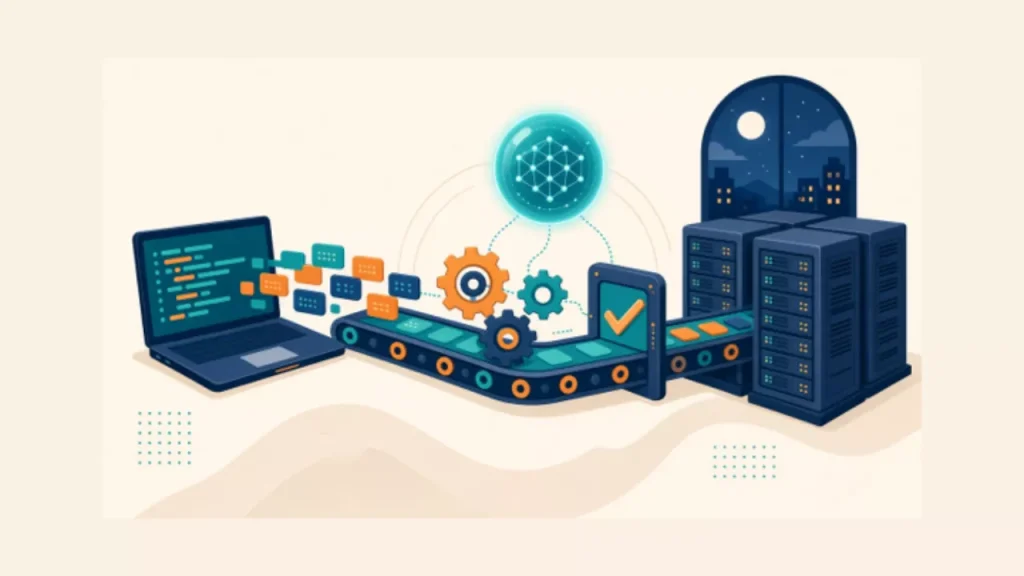
Most talk about AI coding tools pictures a developer at a laptop, asking an assistant for help and checking each answer. That picture is starting to age.
On November 16, JetBrains released an experimental plugin that lets TeamCity, its build and deployment server, run OpenAI’s Codex and Anthropic’s Claude Code as regular build steps. Earlier this month, AWS made Kiro bots generally available: named agents that own one responsibility and can be scheduled to look into overnight build failures or prepare weekly release notes.
If your business depends on software built or maintained by your own team or an outside company, some of that work may soon be done by AI that nobody watches live. The practical question is simple. When it runs on its own, how do you know what it did and what it cost?
What changes when agents join the pipeline
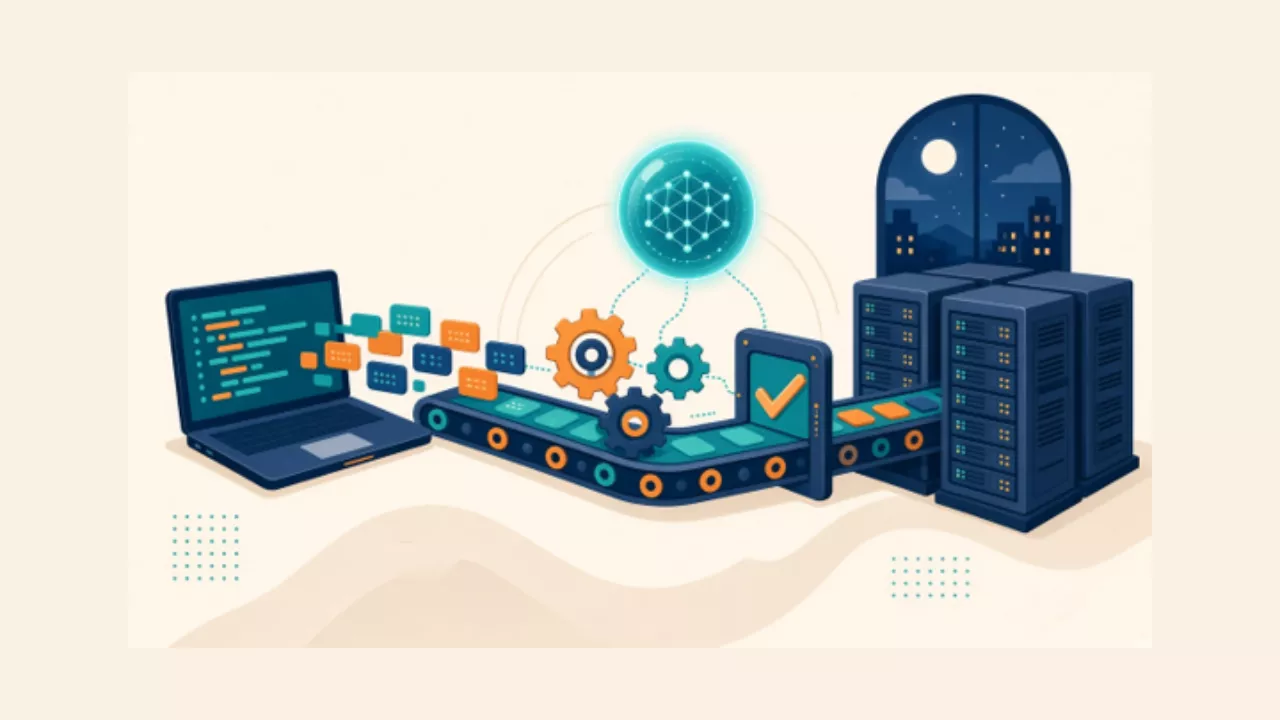
A CI/CD pipeline is the automated process that builds, tests and ships code each time someone makes a change. JetBrains suggests agents could review code, investigate failed builds or update documentation there. When a build starts, the plugin installs the agent if it is missing and connects it to the model provider the team picks, such as OpenAI, Anthropic or a gateway like OpenRouter.
Kiro bots push the same idea further. AWS describes each bot as owning one area, such as build health, code review or release readiness, with its own memory of decisions the team has made.
AI moves from helping one person with one task to running part of the process. That can remove repetitive checking. It also means the work happens when nobody is looking.
Every run should leave a record
Two features in the JetBrains plugin are worth asking for, whatever your team uses.
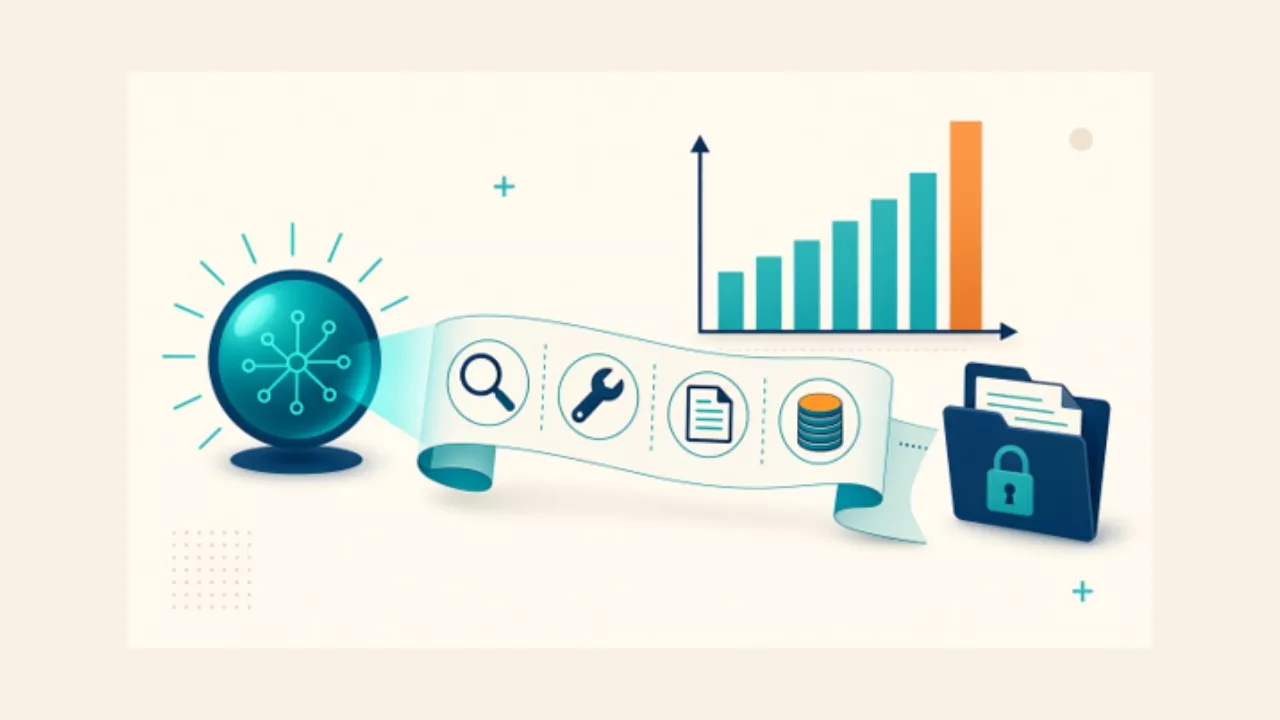
The first is cost. The plugin reports prompt, completion, cached and total token counts for each run as normal build statistics, so a team can chart them and notice when usage jumps. An agent that runs on every build costs more with every change your developers push.
The second is a trace. The plugin saves the agent’s trajectory: its messages, the tools it called and the tokens it used, as a readable report and as data for comparing runs. When an agent does something unexpected, its final answer rarely explains why. The step-by-step record usually does.
JetBrains also notes that these records can include prompts, source code and model output, so access to them should be limited like any other sensitive build file.
One job, one set of permissions
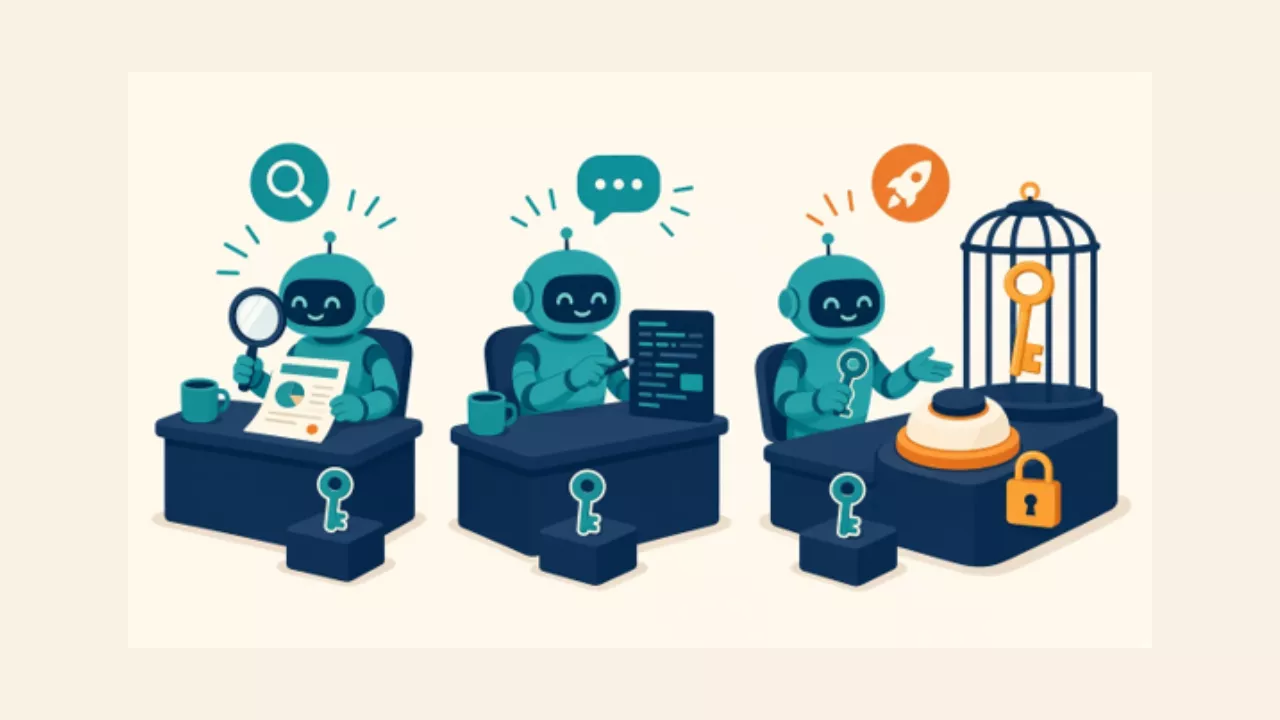
Kiro bots get only the tools their job needs. In AWS’s examples, a research bot can read files and search the web but cannot change anything, and a deployment bot asks for approval before each change. AWS’s Matt Wood adds that a review bot can comment and request changes but cannot merge. A bot can ask for more tools, but nothing changes until a person approves.
Credentials matter as well. Build machines are often reused, so the JetBrains plugin gives the agent its provider key only while the build runs, then removes it.
For a business owner, this comes down to one rule: agents in the pipeline can check, flag and suggest, while merging code and releasing to customers still needs a named person.